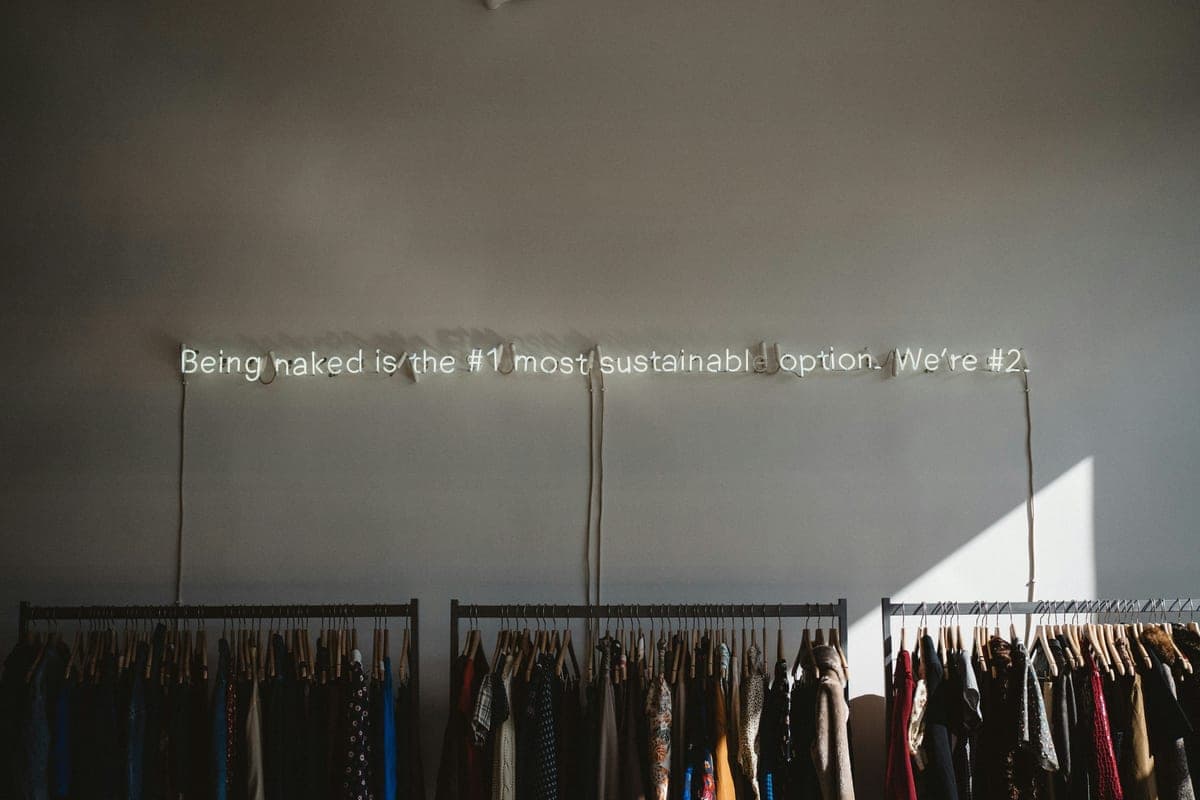
We dropped off a bag of clothes at Appel & Ei last week. Literally just threw it in a bag, drove ten minutes, and left. One of our friends was helping, and halfway through uploading photos to Vinted the week before, she asked: "Why are we doing this again?"
That was the same question we'd been thinking.
The answer, it turns out, depends on what you actually want out of selling second-hand.
→ The Weekend We Spent on Vinted
Three hours. That's how long it took to photograph, describe, and list 20 items on Vinted — we wrote about that afternoon. Our phones were full of blurry close-ups of seams. We had to look up comparable listings to price things correctly. We wrote descriptions like "vintage skinny jeans, size 28, slight wear on hem" seventeen different times.
Then we waited.
Six items sold in the first week. The other fourteen are still sitting there. One of them got a "is this still available?" message after four days, which we missed because we weren't checking the app constantly. Now we have to babysit notifications, consider if lower offers are worth accepting, and eventually figure out how to ship these things out one by one.
Meanwhile, the bag at Appel & Ei? They took it, looked at it for five minutes, and said "we'll price these and put them out." That was it.
→ The Math: Time vs. Money
Here's what the online route actually cost us, broken down.
Three hours total. Six items sold so far, for €80–€100. That's roughly 30 minutes of work per item that actually sold — and the time invested in the fourteen unsold ones is still climbing.
The local shop, for the same 20 items, would have looked like this: fifteen minutes of drop-off time, maybe 12–14 items passing their quality check, an estimated €150 of total value, and a 40% cut coming back to us. About €60, for one minute of work per item and zero follow-up.
€80–€100 over three hours plus ongoing management, versus roughly €60 for fifteen minutes and no follow-up. The revenue gap is small. The effort gap is enormous.
The local shop was so simple we almost felt bad. Drop off a bag, come back in six weeks, done. Online selling? Three hours of photographing and we're still babysitting notifications a week later.
→ Why the Local Shop Isn't Perfect Either
The catch with Appel & Ei is that they're genuinely selective. That vintage band tee that's perfect? Sure. Those worn-out joggers we threw in the bag? Rejected. The jacket we wore every day last winter? Too much character, not enough "like new."
With Vinted, anything goes. That worn leather jacket has a market. The faded vintage Adidas hoodie will find someone. You can't sell trash, but you can sell used.
- →Appel & Ei: 'like new' only — pristine condition, perfect seams, fresh smell
- →Vinted: 'used' accepted — worn items, minor wear, faded colours all fine
- →In practice: the local shop rejects roughly 30–40% of a bag, Vinted takes about 90%
So the local shop isn't a replacement for Vinted. It's what you do with the stuff that's too worn for them but still decent enough not to throw away. It's the 80% of your closet that you just want gone.
→ The Honest Thing About Selling Online
We think we oversold the idea of photographing everything and selling it online. It sounds good in theory. You maximise profit. You have control. You're being intentional about every item.
But in practice? You end up with a phone full of photos and a spreadsheet of items that sold six months ago mixed with items you're still trying to move. You're checking notifications at random times. You're negotiating with people over €2 price differences.
The trade-off is really this: the local shop is fifteen minutes of work for 40% of the revenue and zero ongoing effort. Online selling is three-plus hours for close to 100% of the revenue, minus fees, plus management that never quite ends. You need four or more items to actually sell before the online approach earns back the time.
The local shop isn't sophisticated. It's not maximising revenue. But it works. You clear your closet in one afternoon, and someone else takes care of making it pretty and selling it.
For most things in our closet, that trade-off makes sense. For the few pieces that are actually valuable or special or trendy? Yeah, we'll photograph those and list them online. But the rest of the stuff — the clothes we wore for years and they're still fine but we're just done with them — those are going in a bag to the shop down the street.
“The local shop isn't competing with Vinted. It's solving a different problem: what do you do with everything else?”— Re-wear team
→ What Changed Our Perspective
The only reason we're even comparing both options is because we've been tracking our closet in re-wear. We know which pieces we actually wear. We know which ones are valuable enough to photograph.
Before that, we just had a closet. We'd pull things out, realise we hadn't worn them in three years, and either throw them away or feel guilty about not selling them. Now we can actually decide: is this thing worth three hours of our time on Vinted, or should we just drop it off at Appel & Ei and move on?
Most things fall into the second category.
The average person leaves €50–€100 worth of clothes unsold on resale apps because they give up before the item sells. Track your closet in Re-wear and you'll know which pieces justify the listing time — and which just need a bag and a ten-minute drive.
Open AppWhen you're clearing your closet, which matters more: maximum money or minimum effort?