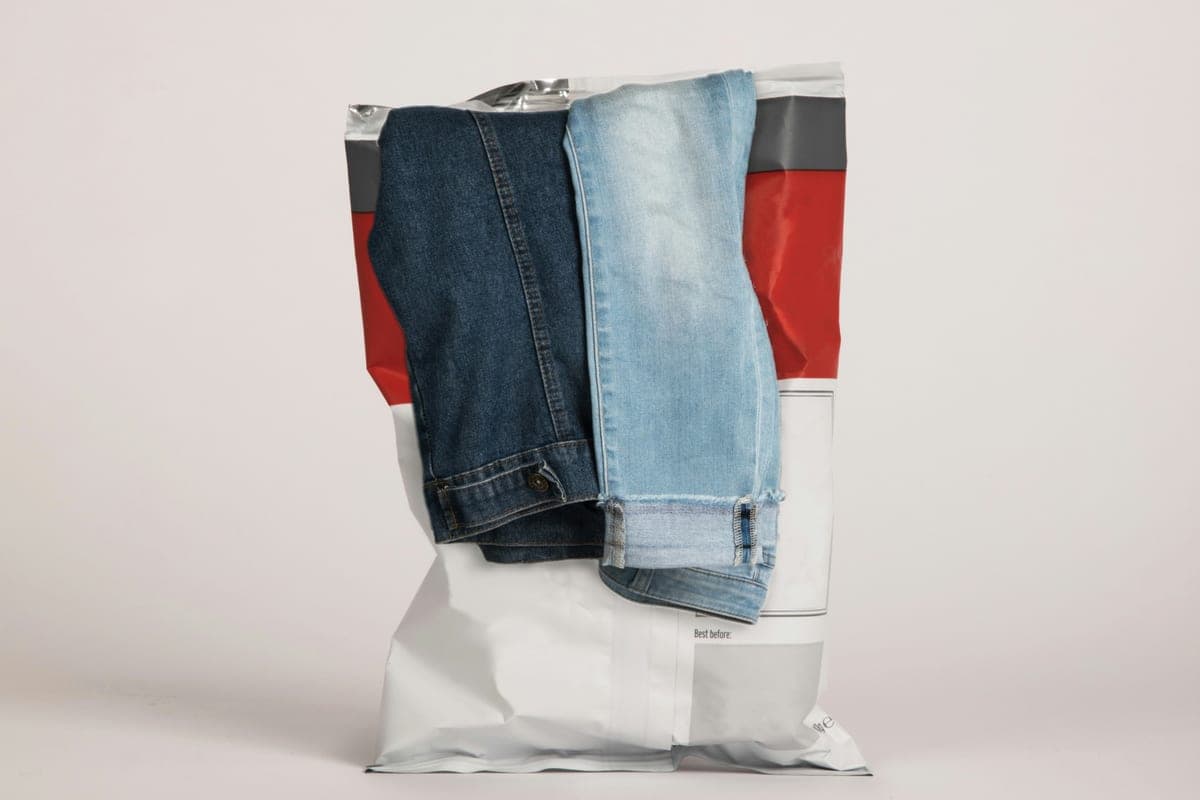
Last weekend, we spent three hours emptying a bag of clothes that had been sitting in our closet for years. Sixty items. Buried. Forgotten.
We photographed all 60 that afternoon. Then we sat down and actually listed 20 of them on Vinted — the rest are still in the queue, waiting their turn. Within days, six of those 20 listings had already sold.
But the real insight wasn't about the money — it was about what that bag revealed about our closets, our consumption, and how much we actually don't know about what we own.
→ The Process (And Why It Takes So Long)
Let's be honest: decluttering and reselling isn't quick.
- →A clear photo (sometimes multiple angles)
- →An accurate description
- →Comparable-listing research for fair pricing
- →The actual listing on Vinted
Photographing 60 items goes quickly once you're in a rhythm. The slow part is everything after the photo — description, pricing research, the listing form itself. That's why we only got through 20 listings in our three-hour window, and why 40 items are still sitting in the photo folder waiting to be posted.
The 20 we did list ranged from €2 (Vinted's suggestion for basics that technically have value but aren't worth much) to €20+ for branded pieces. Most fell in the €5–15 sweet spot. The very cheap items? They sold first. So did specific brands people actively search for. Everything else is still waiting.
→ What Actually Sold (And What Didn't)
Six of the 20 listings moved within days. The pattern was interesting: it wasn't necessarily the items we thought were "nice." A worn, label-less piece sold. Budget fast-fashion from a recognisable brand sold. But some things we expected to move? Still sitting — alongside the 40 items we haven't even listed yet.
Someone else's treasure isn't always what you think it is. Even relatively worn items have buyers if the price is right — the second-hand market is surprisingly forgiving.
→ The Unexpected Find
Here's the part that surprised us: buried in that bag of "stuff to get rid of" were about three items we'd actually been looking for. Clothes we thought were missing. Or clothes we'd genuinely forgotten we owned — and now that we'd found them, we weren't ready to let them go.
A couple of pieces had sentimental value (bought together, for instance). Others were things we thought we'd "grow back into" or might fit a future family member. So instead of listing them, we added them to re-wear to actually track whether we'd wear them.
The honest bit? It's been a few days, and we haven't worn them yet. But now we'll know if we actually do.
→ The Bigger Picture
This is where it gets interesting — and slightly depressing.
Even after photographing all 60 and listing 20, the 40 still in the backlog are a reminder of how much is in a single forgotten bag. We own a lot of clothes. And if this is just two people with an old bag they forgot about, imagine scaling that across a city. A country. The world.
Even the items we thought were worthless had value to someone. That worn piece without a label? Someone wanted it. Those skinny jeans from a decade ago? They fit someone's current life perfectly.
“One person's 'I can't believe I ever wore this' is another person's 'exactly what I was looking for'.”— Re-wear team
→ What This Taught Us
The biggest realisation: most of us have no idea what's actually in our closets. We accumulate, we forget, we assume things are gone when they're just buried. And when we finally dig through it all, we find:
- Items with genuine monetary value we'd written off
- Clothes we genuinely loved and forgot about
- Things we're emotionally attached to but never wear
- Pieces that fit our old selves, not our current ones
The three hours it took to process one bag made that visible in a way scrolling through photos on your phone never could.
For us, the next step is actually tracking what we wear — or don't wear — so we stop accumulating blind. So we know whether those rediscovered items are keepers or whether they should find new homes too.
Because the real waste isn't in owning too many clothes. It's in owning clothes we don't know we have.
Before you bag up the next purge pile, log the borderline items in Re-wear for a month. The wear data will tell you whether they're rediscoveries or just rotation noise.
Open AppWhat's hiding in your closet?